
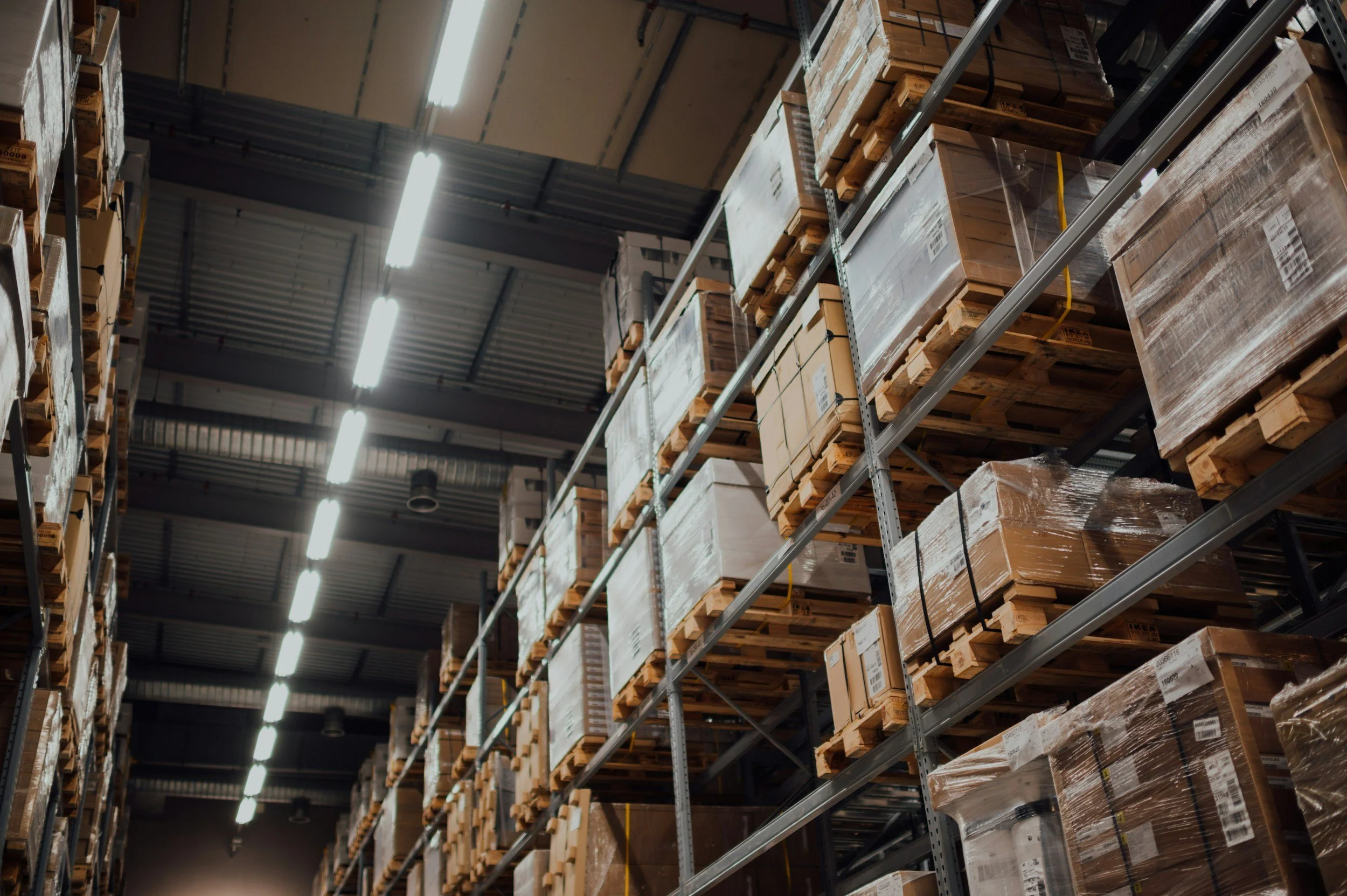
Ask most executives how to get more capacity out of a warehouse, and they'll talk about automation capex — conveyors, robots, a bigger building. Often the highest-ROI answer costs nothing to build: re-slotting.
Slotting is simply putting the right SKU in the right location based on velocity, size, and what customers tend to order together. It sounds small. It isn't. Because roughly half of a picker's shift can be travel time, not picking, optimized slotting typically cuts travel time 20–30% and lifts overall pick productivity 10–25% — with a payback period often measured in months, not years.
It's also one of the few supply chain investments that pays off in labor efficiency and reduces ergonomic/injury risk at the same time, which matters as much to your workers'-comp line as it does to your throughput numbers.
The catch: slotting isn't a one-time project. Demand patterns shift with seasonality and promotions, and static slotting decays in value within months. The organizations getting this right are moving toward continuous, AI-assisted re-slotting rather than a quarterly spreadsheet exercise.
Is your facility running on a slotting plan from this year — or from three years ago?
#Slotting #WarehouseOptimization #SupplyChainTechnology #WarehouseManagement #LogisticsLeadership